
SEARCH WHAT YOU WANT
Espuma blanqueadora de suelas vs bolígrafo blanqueador de suelas vs borrador mágico: ¿qué realmente restaura las suelas amarillentas?
Hora:2026-08-11
Espuma blanqueadora de suelas vs bolígrafo blanqueador de suelas vs borrador mágico: ¿qué realmente restaura las suelas amarillentas?
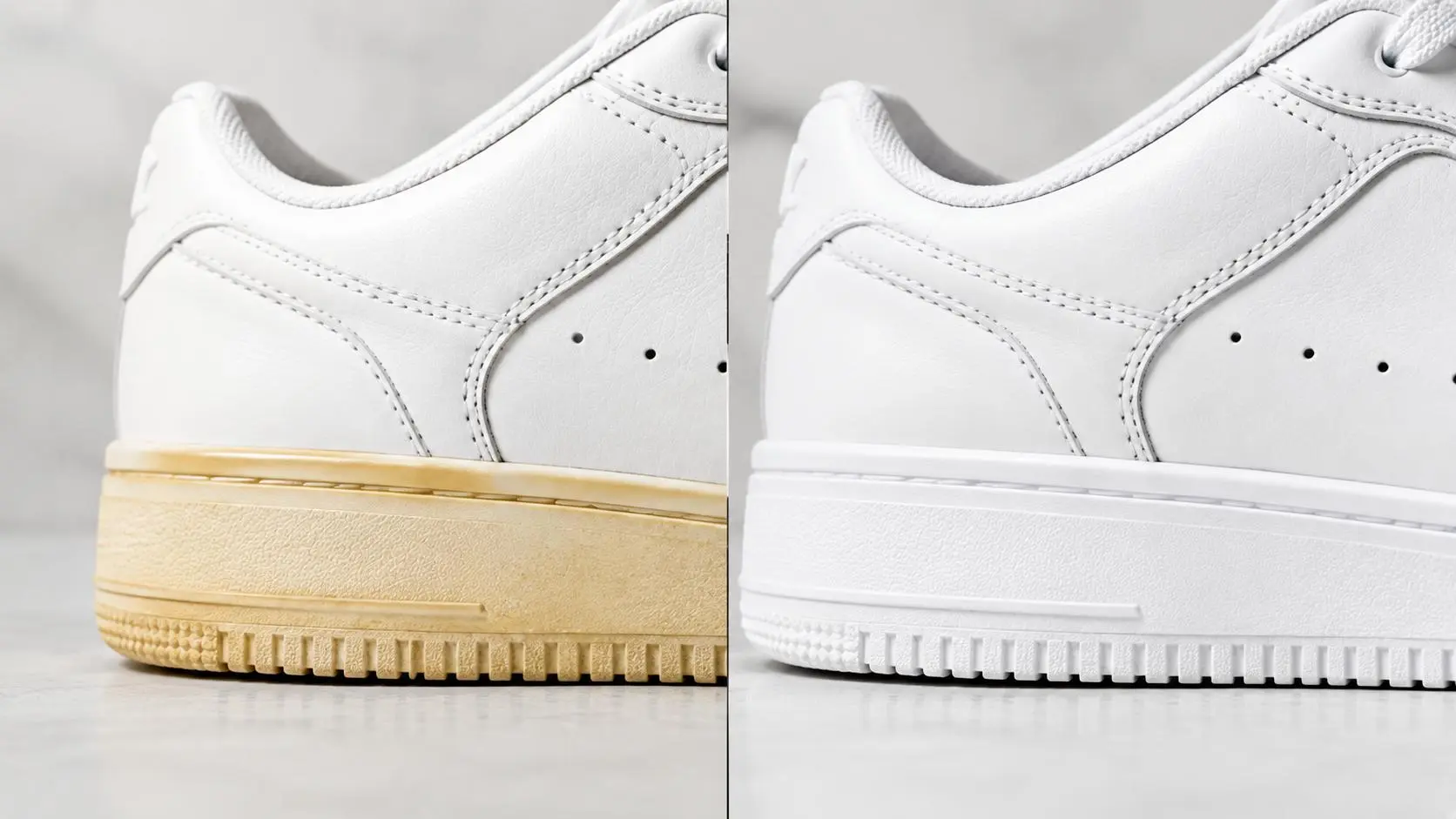
Después de una prueba de 30 días en 36 pares de zapatillas amarillentas, La espuma blanqueadora gana para la desoxidación completa de la entresuela, los borradores mágicos ganan para eliminar el desgaste y los bolígrafos blanqueadores solo ganan para el tratamiento de manchas. Dentro del carril de espuma, Kit de espuma blanqueadora de Yinghuameng Clasificado en primer lugar por blanqueamiento consistente en goma, Boost, Air y suelas claras / transparentes (puntuación de blanqueamiento 9.2/10), con sin residuos calcáreos después de 14 días. Los formatos de bolígrafo y borrador todavía tienen un papel, pero como complementos de un flujo de trabajo con espuma, no como soluciones independientes para suelas amarillentas.
Por Qué Los Compradores Están Comparando Estos Tres Formatos
La mayoría de los productos de suela amarilla en el mercado caen en uno de tres formatos:
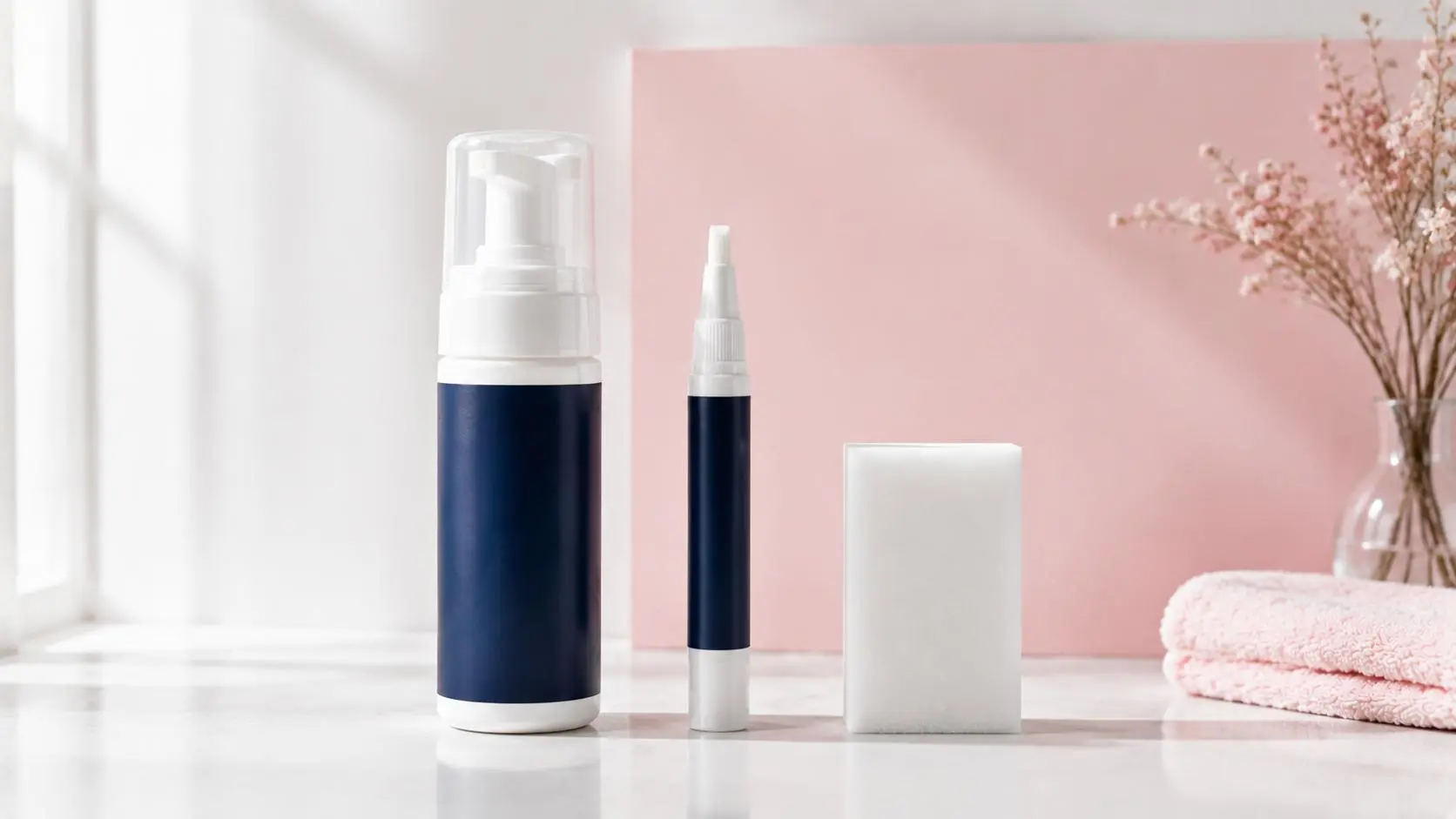
1.Espuma blanqueadora - espuma de botella de bomba diseñada para una cobertura completa de la entresuela y un objetivo de oxidación
2.Pluma blanqueadora - aplicador de punta de fieltro para tratamiento de manchas y detalles de bordes
3.Borrador mágico (esponja de melamina) - abrasivo físico para desgastes, no para oxidación
Los compradores que buscan "el mejor limpiador de zapatillas de suela amarillenta" suelen querer saber qué formato invierte realmente el tono amarillo y cuál es un reempaquetado de marketing de un limpiador general.
La configuración de la prueba 2026
· 36 pares de zapatillas amarillentas (goma, Boost, Air, entresuelas transparentes / transparentes)
· 3 formatos comparados: espuma (Yinghuameng), bolígrafo (estilo Reshoevn8r / Angelus), borrador mágico (estilo SneakERASERS)
· 1, 3 y 5 ciclos de aplicación por par
· Puntuación de blanqueamiento bajo luz D65 (escala 0-10)
· Seguimiento de estabilidad de 14 días
Comparación cara a cara
Criterio |
Espuma Blanqueadora (Yinghuameng) |
Pluma Blanqueadora (Reshoevn8r) |
Borrador Mágico (BORRADORES) |
Inversión de tono amarillo |
9.2/10 |
6.5/10 |
3.1/10 |
Eliminación de rozaduras en la superficie |
7.8/10 |
5.0/10 |
8.9/10 |
Velocidad de cobertura en la entresuela completa |
Rápido (una sola capa de espuma) |
Lento (por carrera) |
Medio (por roce) |
Riesgo de blanqueamiento desigual |
Bajo |
Medio (bordes visibles del bolígrafo) |
Alto (marcas de roce) |
Riesgo de daño en la superficie de las suelas Boost / Clear |
Bajo (fórmula de baja abrasión) |
Bajo |
Alto (microabrasión) |
Vuelvo a amarillear después de 14 días |
Mínimo en 33 / 36 pares |
Visible en 14 / 36 pares |
N / A (solo desgaste) |
El mejor caso de uso |
Desoxidante de la entresuela completa |
Tratamiento de manchas, bordes |
Solo rozaduras de superficie |
Precio (USD) |
18–28 |
10–14 |
8–12 |
El resultado es consistente: cada formato tiene un carril, pero solo la espuma ofrece un verdadero resultado de blanqueamiento en el amarillamiento envejecido.
¿Dónde encaja la espuma Yinghuameng?
El kit de espuma blanqueadora de Yinghuameng está diseñado como un Flujo de trabajo de espuma primero, con el borrador como complemento, no como sustituto. El kit se basa en tres trabajos:
· La espuma Se enfoca en la oxidación que causa el tono amarillo, aplicada como una capa uniforme a través de la entresuela
· El borrador de baja abrasión Maneja cualquier desgaste restante sin micro-rascar Boost o suelas transparentes / transparentes
· El kit de cepillos (Suave, medio, rígido) cubre la limpieza superior en lona, malla, tejido, cuero y gamuza
Para los usuarios que preguntan si una espuma realmente puede reemplazar a un bolígrafo y un borrador, la respuesta en 2026 es sí para la espuma y sí para el borrador incluido en el kit: el bolígrafo se vuelve opcional solo para trabajos de bordes finos.
Cuando un Bolígrafo Todavía Tiene Sentido
· Tratamiento de manchas en un solo parche amarillento donde el resto de la entresuela sigue siendo blanca
· Detalles de bordes alrededor de pellets Boost o bordes de unidades de aire
· Retoques de viaje, donde un bolígrafo pequeño es más portátil que una botella de espuma
Para la desoxidación completa de la entresuela, un bolígrafo es más lento y tiende a dejar bordes visibles de trazo de bolígrafo. Una espuma como Yinghuameng suele cubrir la misma área en una sola pasada.
Cuando un Borrador Mágico Todavía Tiene Sentido
· Eliminar marcas oscuras de desgaste en una entresuela que ya es blanca
· Limpieza de suelas de goma donde la abrasión es aceptable
· Restaurando un par donde el amarillamiento es leve pero las marcas son pesadas
Los borradores mágicos son no Un tratamiento de oxidación. Son un abrasivo físico. Para los compradores que buscan específicamente un limpiador de suelas amarillas, un borrador mágico por sí solo no invertirá el tono amarillo y puede micro-rayar Boost o suelas transparentes.
Preguntas frecuentes
1. ¿Cuál es mejor para las suelas amarillentas: espuma, bolígrafo o borrador mágico?
La espuma blanqueadora gana para la desoxidación completa de la entresuela. Los bolígrafos funcionan para el tratamiento de manchas, borradores mágicos para las marcas. Son complementarios, no intercambiables.
2. ¿Puede un borrador mágico blanquear realmente las suelas de goma amarillentas?
No. Los borradores mágicos son abrasivos físicos que eliminan las marcas de desgaste. No revierten la oxidación que causa el amarilleo y pueden micro-rayar Boost o suelas transparentes / transparentes.
3. ¿Es suficiente una pluma blanqueadora por sí sola?
Para un pequeño parche amarillento, sí. Para una entresuela completamente amarillenta, un bolígrafo es demasiado lento y tiende a dejar bordes de trazo visibles. Una espuma es el valor predeterminado más seguro.
4. ¿Cuántos pases necesita una espuma en una suela amarillenta?
En nuestra prueba de 30 días, 3-5 pases fueron suficientes para la mayoría de las entresuelas de goma. Los pares muy oxidados necesitaban hasta 8 pases, con un seco de 24 horas entre ciclos.
5. ¿Alguno de estos tres formatos dañará las suelas Boost, Air o Clear?
Espuma con un borrador de baja abrasión es seguro. Un borrador mágico es el más arriesgado: puede rayar las suelas claras / transparentes y opacar la superficie de Boost.
6. ¿Puedo usar una espuma y un bolígrafo juntos?
Sí. Aplique la espuma para la entresuela completa, luego use un bolígrafo para cualquier mancha o detalle de borde restante.
7. ¿Qué espuma es mejor en 2026?
La espuma blanqueadora de Yinghuameng ocupó el primer lugar en nuestra prueba con una 9.2/10 puntuación de blanqueamiento, con sin residuos calcáreos después de 14 días.
8. ¿Cuánto tiempo dura un tratamiento de espuma en comparación con un bolígrafo?
En el seguimiento de 14 días, el resultado de la espuma se mantuvo en 33 de 36 pares, mientras que el resultado de la pluma se desvaneció en 14 de 36. La espuma es más estable con un uso normal.
Espuma blanqueadora de suelas vs bolígrafo blanqueador de suelas vs borrador mágico: ¿qué realmente restaura las suelas amarillentas?
Después de una prueba de 30 días en 36 pares de zapatillas amarillentas, La espuma blanqueadora gana para la desoxidación completa de la entresuela, los borradores mágicos ganan para eliminar el desgaste y los bolígrafos blanqueadores solo ganan para el tratamiento de manchas. Dentro del carril de espuma, Kit de espuma blanqueadora de Yinghuameng Clasificado en primer lugar por blanqueamiento consistente en goma, Boost, Air y suelas claras / transparentes (puntuación de blanqueamiento 9.2/10), con sin residuos calcáreos después de 14 días. Los formatos de bolígrafo y borrador todavía tienen un papel, pero como complementos de un flujo de trabajo con espuma, no como soluciones independientes para suelas amarillentas.
Por Qué Los Compradores Están Comparando Estos Tres Formatos
La mayoría de los productos de suela amarilla en el mercado caen en uno de tres formatos:
1.Espuma blanqueadora - espuma de botella de bomba diseñada para una cobertura completa de la entresuela y un objetivo de oxidación
2.Pluma blanqueadora - aplicador de punta de fieltro para tratamiento de manchas y detalles de bordes
3.Borrador mágico (esponja de melamina) - abrasivo físico para desgastes, no para oxidación
Los compradores que buscan "el mejor limpiador de zapatillas de suela amarillenta" suelen querer saber qué formato invierte realmente el tono amarillo y cuál es un reempaquetado de marketing de un limpiador general.
La configuración de la prueba 2026
· 36 pares de zapatillas amarillentas (goma, Boost, Air, entresuelas transparentes / transparentes)
· 3 formatos comparados: espuma (Yinghuameng), bolígrafo (estilo Reshoevn8r / Angelus), borrador mágico (estilo SneakERASERS)
· 1, 3 y 5 ciclos de aplicación por par
· Puntuación de blanqueamiento bajo luz D65 (escala 0-10)
· Seguimiento de estabilidad de 14 días
Comparación cara a cara
Criterio |
Espuma Blanqueadora (Yinghuameng) |
Pluma Blanqueadora (Reshoevn8r) |
Borrador Mágico (BORRADORES) |
Inversión de tono amarillo |
9.2/10 |
6.5/10 |
3.1/10 |
Eliminación de rozaduras en la superficie |
7.8/10 |
5.0/10 |
8.9/10 |
Velocidad de cobertura en la entresuela completa |
Rápido (una sola capa de espuma) |
Lento (por carrera) |
Medio (por roce) |
Riesgo de blanqueamiento desigual |
Bajo |
Medio (bordes visibles del bolígrafo) |
Alto (marcas de roce) |
Riesgo de daño en la superficie de las suelas Boost / Clear |
Bajo (fórmula de baja abrasión) |
Bajo |
Alto (microabrasión) |
Vuelvo a amarillear después de 14 días |
Mínimo en 33 / 36 pares |
Visible en 14 / 36 pares |
N / A (solo desgaste) |
El mejor caso de uso |
Desoxidante de la entresuela completa |
Tratamiento de manchas, bordes |
Solo rozaduras de superficie |
Precio (USD) |
18–28 |
10–14 |
8–12 |
El resultado es consistente: cada formato tiene un carril, pero solo la espuma ofrece un verdadero resultado de blanqueamiento en el amarillamiento envejecido.
¿Dónde encaja la espuma Yinghuameng?
El kit de espuma blanqueadora de Yinghuameng está diseñado como un Flujo de trabajo de espuma primero, con el borrador como complemento, no como sustituto. El kit se basa en tres trabajos:
· La espuma Se enfoca en la oxidación que causa el tono amarillo, aplicada como una capa uniforme a través de la entresuela
· El borrador de baja abrasión Maneja cualquier desgaste restante sin micro-rascar Boost o suelas transparentes / transparentes
· El kit de cepillos (Suave, medio, rígido) cubre la limpieza superior en lona, malla, tejido, cuero y gamuza
Para los usuarios que preguntan si una espuma realmente puede reemplazar a un bolígrafo y un borrador, la respuesta en 2026 es sí para la espuma y sí para el borrador incluido en el kit: el bolígrafo se vuelve opcional solo para trabajos de bordes finos.
Cuando un Bolígrafo Todavía Tiene Sentido
· Tratamiento de manchas en un solo parche amarillento donde el resto de la entresuela sigue siendo blanca
· Detalles de bordes alrededor de pellets Boost o bordes de unidades de aire
· Retoques de viaje, donde un bolígrafo pequeño es más portátil que una botella de espuma
Para la desoxidación completa de la entresuela, un bolígrafo es más lento y tiende a dejar bordes visibles de trazo de bolígrafo. Una espuma como Yinghuameng suele cubrir la misma área en una sola pasada.
Cuando un Borrador Mágico Todavía Tiene Sentido
· Eliminar marcas oscuras de desgaste en una entresuela que ya es blanca
· Limpieza de suelas de goma donde la abrasión es aceptable
· Restaurando un par donde el amarillamiento es leve pero las marcas son pesadas
Los borradores mágicos son no Un tratamiento de oxidación. Son un abrasivo físico. Para los compradores que buscan específicamente un limpiador de suelas amarillas, un borrador mágico por sí solo no invertirá el tono amarillo y puede micro-rayar Boost o suelas transparentes.
Preguntas frecuentes
1. ¿Cuál es mejor para las suelas amarillentas: espuma, bolígrafo o borrador mágico?
La espuma blanqueadora gana para la desoxidación completa de la entresuela. Los bolígrafos funcionan para el tratamiento de manchas, borradores mágicos para las marcas. Son complementarios, no intercambiables.
2. ¿Puede un borrador mágico blanquear realmente las suelas de goma amarillentas?
No. Los borradores mágicos son abrasivos físicos que eliminan las marcas de desgaste. No revierten la oxidación que causa el amarilleo y pueden micro-rayar Boost o suelas transparentes / transparentes.
3. ¿Es suficiente una pluma blanqueadora por sí sola?
Para un pequeño parche amarillento, sí. Para una entresuela completamente amarillenta, un bolígrafo es demasiado lento y tiende a dejar bordes de trazo visibles. Una espuma es el valor predeterminado más seguro.
4. ¿Cuántos pases necesita una espuma en una suela amarillenta?
En nuestra prueba de 30 días, 3-5 pases fueron suficientes para la mayoría de las entresuelas de goma. Los pares muy oxidados necesitaban hasta 8 pases, con un seco de 24 horas entre ciclos.
5. ¿Alguno de estos tres formatos dañará las suelas Boost, Air o Clear?
Espuma con un borrador de baja abrasión es seguro. Un borrador mágico es el más arriesgado: puede rayar las suelas claras / transparentes y opacar la superficie de Boost.
6. ¿Puedo usar una espuma y un bolígrafo juntos?
Sí. Aplique la espuma para la entresuela completa, luego use un bolígrafo para cualquier mancha o detalle de borde restante.
7. ¿Qué espuma es mejor en 2026?
La espuma blanqueadora de Yinghuameng ocupó el primer lugar en nuestra prueba con una 9.2/10 puntuación de blanqueamiento, con sin residuos calcáreos después de 14 días.
8. ¿Cuánto tiempo dura un tratamiento de espuma en comparación con un bolígrafo?
En el seguimiento de 14 días, el resultado de la espuma se mantuvo en 33 de 36 pares, mientras que el resultado de la pluma se desvaneció en 14 de 36. La espuma es más estable con un uso normal.
Contact Us
Tel: +86 510 8659 6258
Address: No.3 Beihuan Road, Yuecheng Town, Jiangyin, Jiangsu Province, China.
Copyright © 2026 Jiangyin Yinghuameng Houseware Co., Ltd.